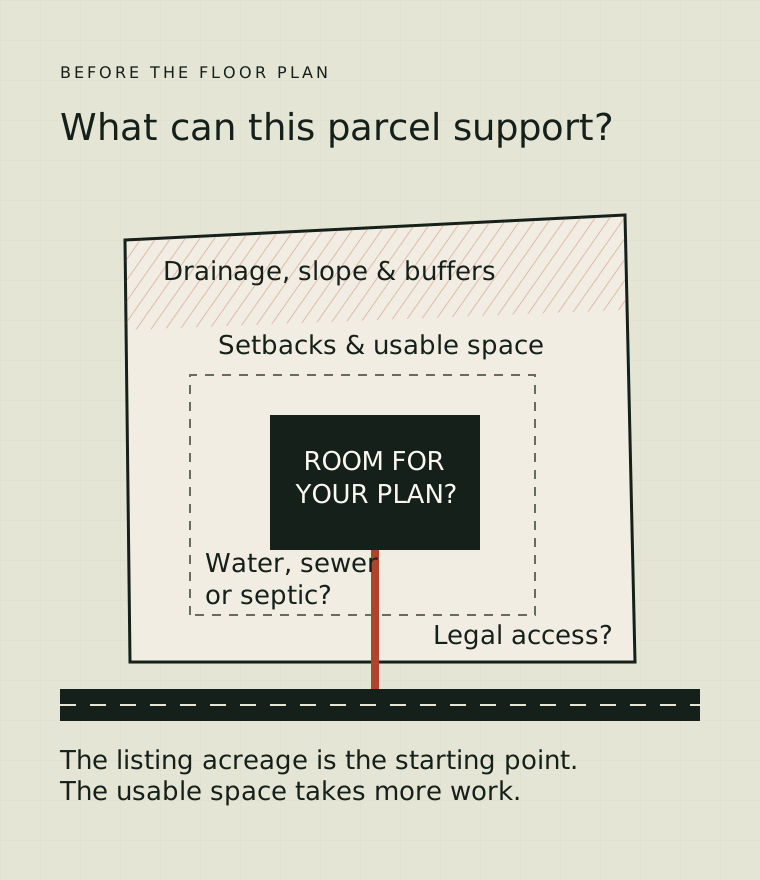
Eight checks for your building plan.
Start by writing down what you’d actually build: home size, bedrooms, drive, garage, accessory structures, well or water service, sewer or septic, clearing, grading, and timing. The answers can change with the plan, so bring that list when you ask each agency, provider, or specialist about your parcel.
1 · Parcel and record trailAnchor everything to the county parcel.
Greenville County Real Property Search can help you locate the tax map number, acreage, deed references, and property record. Confirm the owner, the recorded plat, and the part of the land actually being offered, then compare the county record, listing, contract, and survey. The county record gets you started, but it isn’t a survey or title opinion.
Make one file for the address, county tax map number, plat, and seller disclosures, plus every answer you get, who gave it, and when. Keep the tax map number at the top of the file. It’s the most reliable way to match every record to this parcel.
Agricultural-use value? Changing land to another use can trigger rollback taxes. Ask the assessor how your plans affect the parcel, and have the contract address who pays any rollback tax.
2 · Access and road ownerAsk who maintains the road and who grants access.
Use the County’s Who Maintains My Road? tool to see who’s responsible for the road. Find out who owns the road and whether the parcel has recorded legal access you can actually use. Then review frontage, driveway or encroachment needs, recorded access, shared-drive obligations, and any private-road agreement with the right parties. A gravel drive, a gate, or a paved road nearby won’t settle frontage, easements, maintenance, or the driveway permit for you.
Who Maintains My Road?
3 · Zoning and lot standardsCheck the district and the rules that go with it.
Inside city limits, start with that city’s planning office. Outside city limits, ask Greenville County which zoning and development rules apply to the parcel. Some unincorporated areas are unzoned; building, septic, subdivision, and private restrictions can still apply. City planning offices: Greenville, Greer, Mauldin, Simpsonville, Fountain Inn, Travelers Rest.
Greenville County Zoning
4 · Water, sewer, and septicFind out what utility connections require.
Ask water and sewer providers what is available to the parcel and what connections or extensions cost. Without public or community sewer, South Carolina’s Department of Environmental Services (SCDES, formerly part of DHEC) must approve the site and issue a septic permit before the county will issue a building permit.
For the soil evaluation, arrange and pay a backhoe operator. Don’t dig the test pits early; the inspector chooses the locations. Wet conditions can delay the appointment. A septic Permit to Construct is valid for five years.
For a private well serving one home, file a Notice of Intent before drilling and use a South Carolina certified well driller. Ask about water testing and whether the planned use needs a different permit.
5 · Flood, streams, drainage, wetlandsCheck flood risk and drainage.
Check mapped flood information with the County, then ask about the site’s drainage, stream or buffer constraints, crossings, wetlands, pond or dam considerations, and insurance. County flood facts are a map-based starting point, not an elevation certificate, drainage study, or wetland determination.
6 · Utilities and site workPrice the site work.
Electric, gas, telecom, wells, service extensions, clearing, grading, driveway culverts, retaining, erosion control, and stormwater can each need their own conversation. The County’s property checklist flags utilities, septic soil quality, stormwater, streams, buffers, and road encroachment as separate checks.
7 · Permit and project historyLook for the record, then ask what it means now.
eTRAKiT is Greenville County’s portal for permit and project records, applications, fees, inspections, and status. A prior record can explain history; it is not a transfer of approval to a new plan or a substitute for current review.
Greenville County eTRAKiT
8 · Permits, easements, restrictionsSeparate government review from private rights.
Government permits and private restrictions are separate checks. Review recorded easements, plats, covenants, title, and shared-road terms with your attorney and surveyor. Greenville County Building Safety explains the county permit process.
Greenville County Building Safety permit guidance
Official links reviewed August 31, 2026. This checklist is specific to Greenville County lots. Municipal, utility, state, federal, private, and recorded-property requirements can also apply. Get written answers for your building plan from the agencies, providers, and professionals responsible for each approval.